- What does it mean for a young person to understand that she can contribute meaningfully to a world beyond her own?
Beyond Fundraising: What Students Learn When Service Leads to Action
For schools, service can easily become something students do. They attend an event, make a donation, volunteer for an afternoon or raise money for a cause. These experiences have value, but meaningful service education asks something more of young people.
It asks them to understand why their contribution matters.
At Tara Anglican School for Girls, this distinction shapes the way we think about Service, one of the School’s four core values. Our aim is not simply to encourage girls to participate in charitable activities, but to help them develop the awareness, empathy and sense of responsibility to recognise a need and consider how they might respond.
Tara’s involvement in the 2026 World Vision 40 Hour Challenge offers a powerful example.
From awareness to personal action
This year, students from Years 7–12 participated in the World Vision 40 Hour Challenge, choosing something meaningful to give up or finding another way to challenge themselves while raising funds to address child hunger.
The premise is deliberately personal. Students have to decide what they are willing to do, explain the cause to others and ask their community to support them.
World Vision’s challenge has a long history of introducing young Australians to this form of social action. The initiative began in Australia in 1975 and has evolved so participants can now give up something personally significant to them, from food to technology, gaming or other everyday comforts.
For students, that creates an important shift.
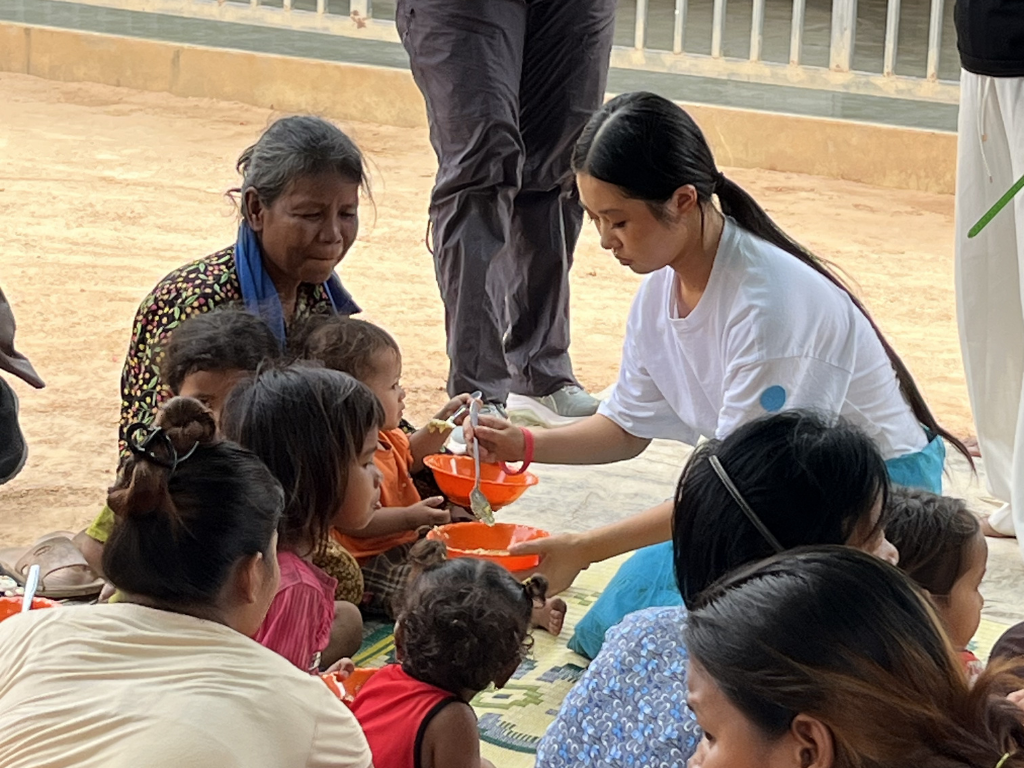
Hunger is no longer simply a global issue they have heard about. They are being asked to consider their own relationship with comfort and choice, learn about the experiences of people whose circumstances are very different from their own, and decide what action they can take in response.
Together, Tara students have raised more than $69,000 this year, setting a new School record and making Tara the highest fundraising school nationally.
It is an extraordinary collective achievement. But the figure is only part of the story.
Helping students understand where their contribution goes
For service to become meaningful learning, students need to see the connection between their actions and the issue they are trying to address.
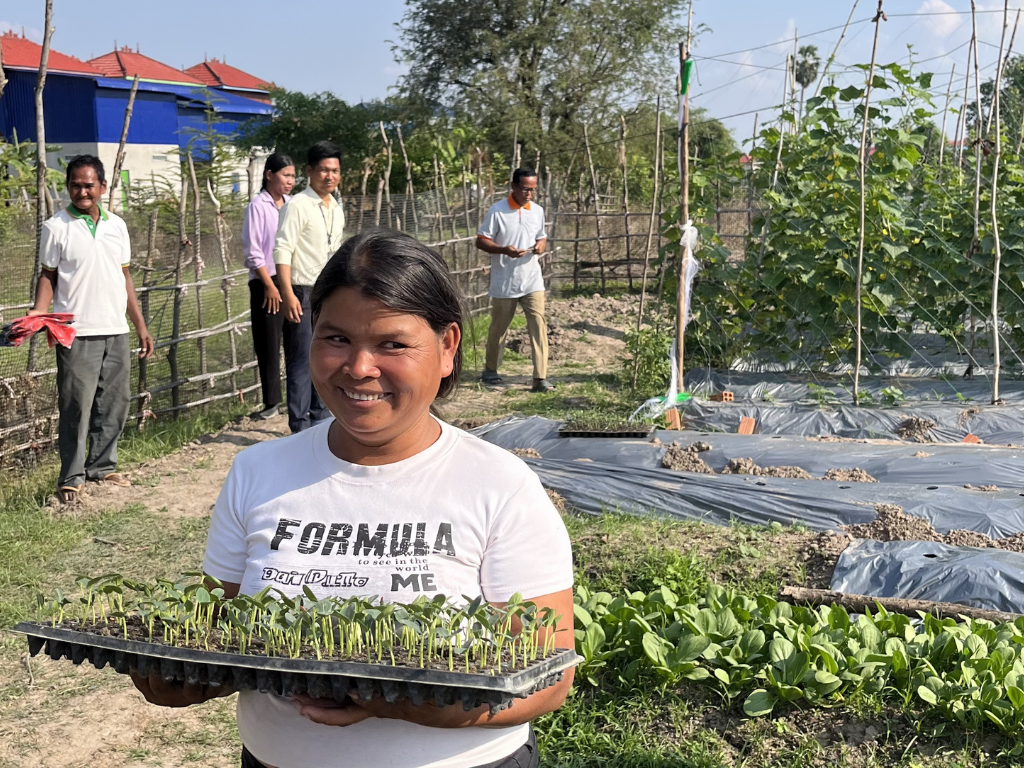
Global hunger is complex. Providing food in an emergency matters, but addressing hunger over the long term also involves questions of nutrition, agriculture, clean water, education, livelihoods and the ability of communities to withstand future challenges.
World Vision’s work reflects this broader approach, with programs supporting areas including food production, health and nutrition, education, clean water and opportunities for families to build sustainable incomes.
This matters educationally because it encourages students to move beyond a simplified idea of helping.
Instead, they begin to understand that significant social challenges rarely have one cause or one solution. Effective change requires listening to communities, understanding interconnected problems and thinking about both immediate needs and long-term outcomes.
These are important habits of mind for young people growing up in an increasingly interconnected world.
When global issues become more tangible
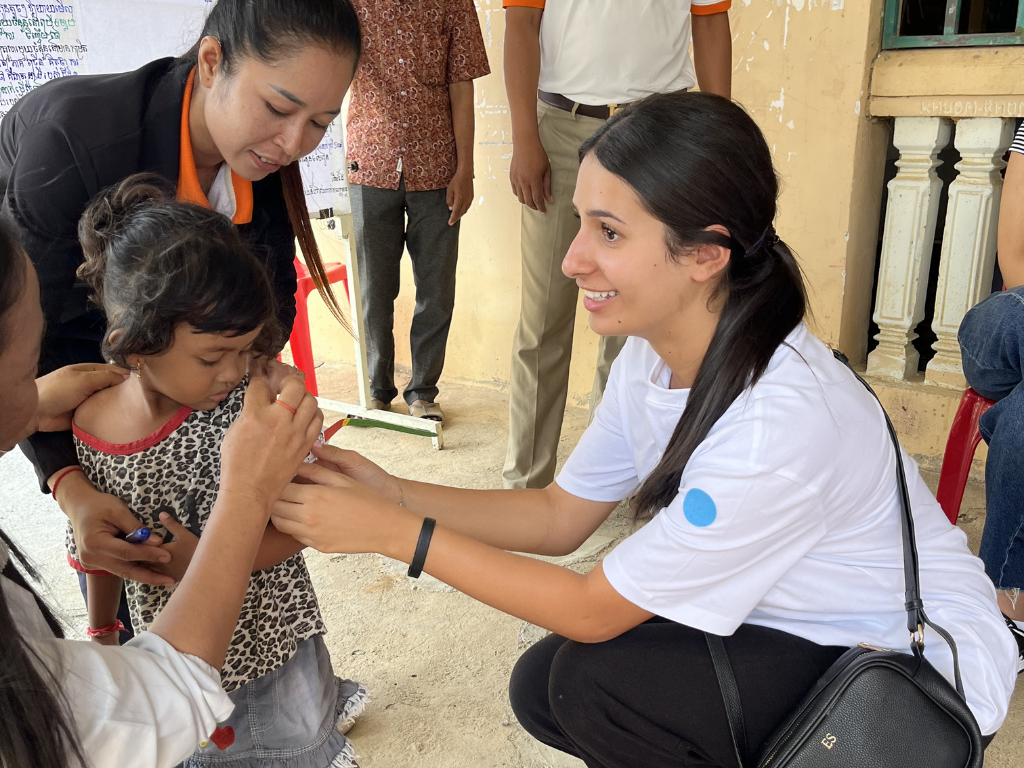
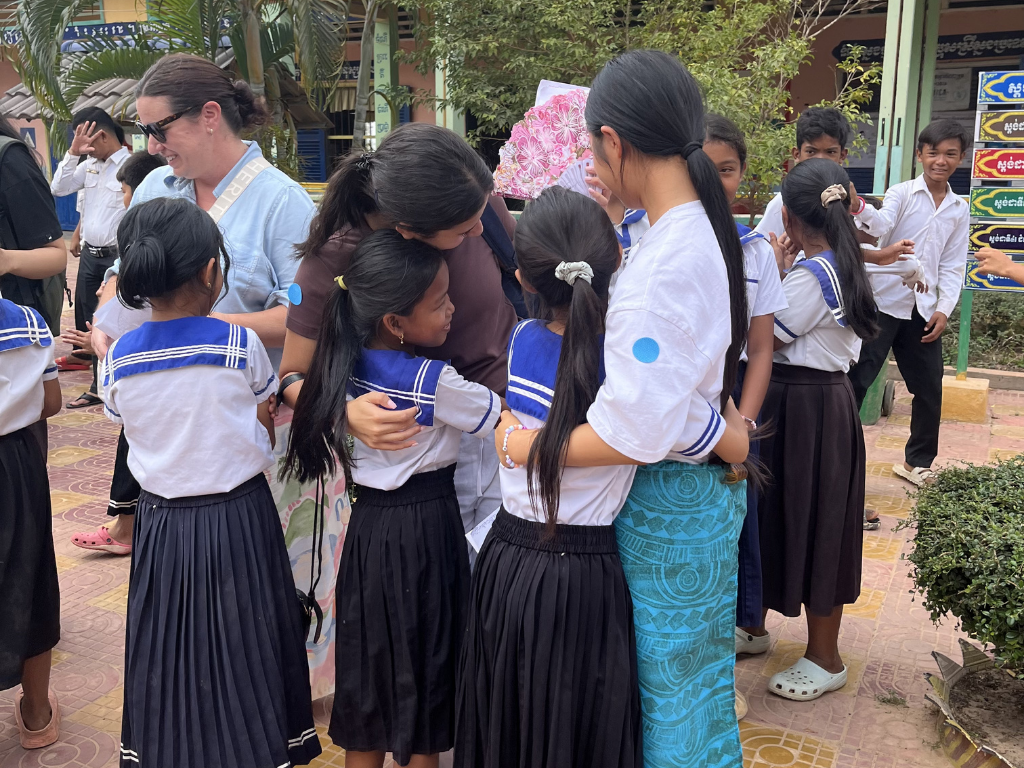
For Tara students, this understanding is strengthened through the School’s relationship with communities in Cambodia.
Students and staff who have travelled to Cambodia have had opportunities to see firsthand how sustained programs and community-led initiatives can contribute to change. World Vision has worked in Cambodia since 1972, with current programs addressing areas including food security, health and nutrition, education, child protection and youth leadership.
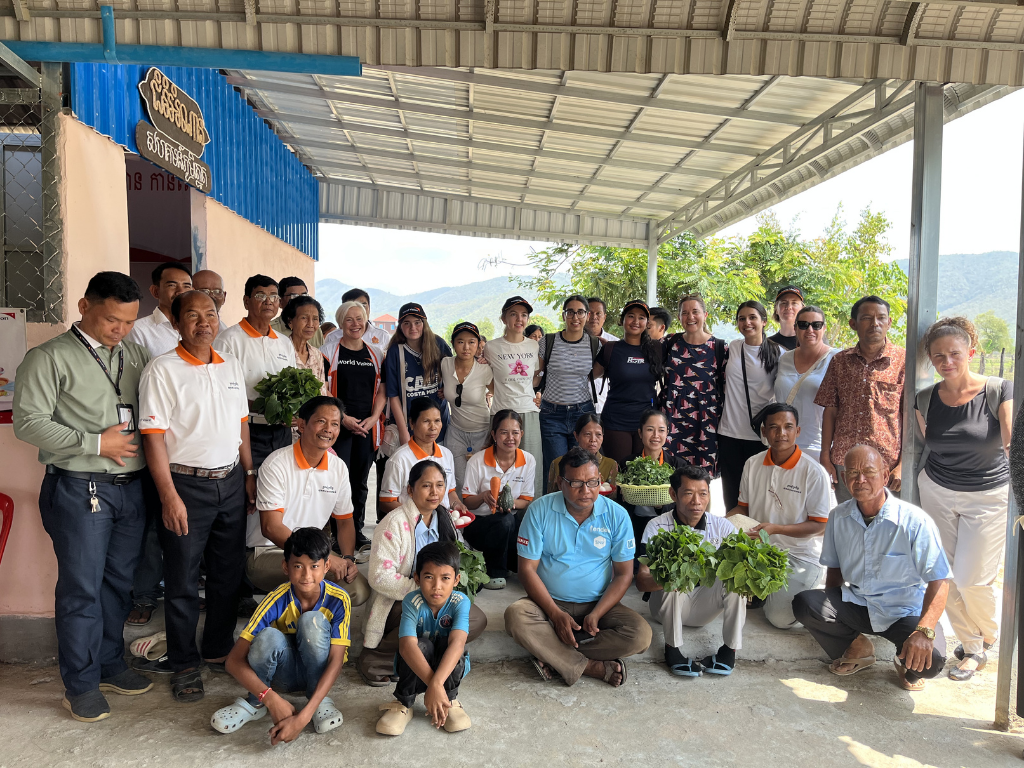
Experiences like these help bridge the distance between learning about a global issue in Sydney and understanding how it affects real communities elsewhere.
They also introduce an important principle of responsible service: contribution begins with understanding.
Rather than positioning students as people who simply arrive to “help”, we want girls to recognise the knowledge, agency and strengths that already exist within communities. Their role is to listen, learn and understand how thoughtful partnerships can support work already taking place.
This distinction helps students develop a more mature understanding of service, one based not on what we can do for others, but on how people and communities can work with one another towards meaningful change.
Why does service belong in education?
Families understandably spend considerable time considering a school’s academic program, subject choices, facilities and results. But education also shapes the way a young person understands her place in the world.
Research into civics and citizenship education considers not only what students know about society, but also their attitudes, values and intentions to participate in civic and community life. Australian Council for Educational Research analysis highlights these dimensions as important outcomes of students’ civic and citizenship education.
This is where authentic service experiences have an important role to play.
A student can learn about inequality in a classroom. She can study food security, sustainability or economic development. But being asked, “What are you personally prepared to do about it?” introduces another dimension to that learning.
Girls learn that they do not have to wait until adulthood, hold a particular position or possess significant resources before they can contribute. They can research an issue, make informed choices, advocate, organise, collaborate and bring other people with them.
Preparing girls to participate, not simply observe
The world our students will inherit will ask them to engage with complex challenges: inequality, sustainability, technological change, conflict, public health and questions we cannot yet anticipate.
Schools cannot provide students with ready-made answers to every challenge they will encounter.
What we can do is help them become young women who are willing to pay attention.
Young women who ask questions before reaching conclusions. Who understand perspectives beyond their own. Who recognise that their choices affect other people. Who are confident enough to contribute, but thoughtful enough to listen.
The 40 Hour Challenge is one expression of that philosophy at Tara.
The $69,000 raised by our community is something worth celebrating, particularly because of what those funds can help make possible.
But perhaps an equally important measure of success is what our students take with them afterwards: a deeper understanding that noticing a problem is only the beginning.